Who will love it
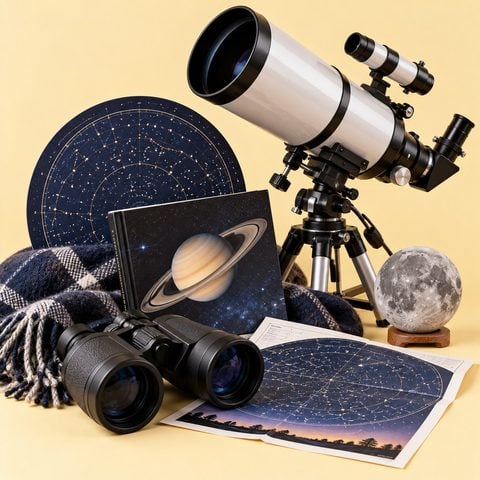
It suits kids about eight and up who ask lots of questions about space, read astronomy books, or already have glow-in-the-dark stars on the ceiling. Grandparents who want a shared hobby with a grandchild often buy one so they can look up together. Families who live away from bright city centers will see more.
It can disappoint a child expecting colorful pictures like the ones online. Most of what a small scope shows is gray, white and small, so set expectations before the first night.
What to look for
The mount matters more than the magnification on the box. A wobbly tripod makes the image dance, and kids give up fast.
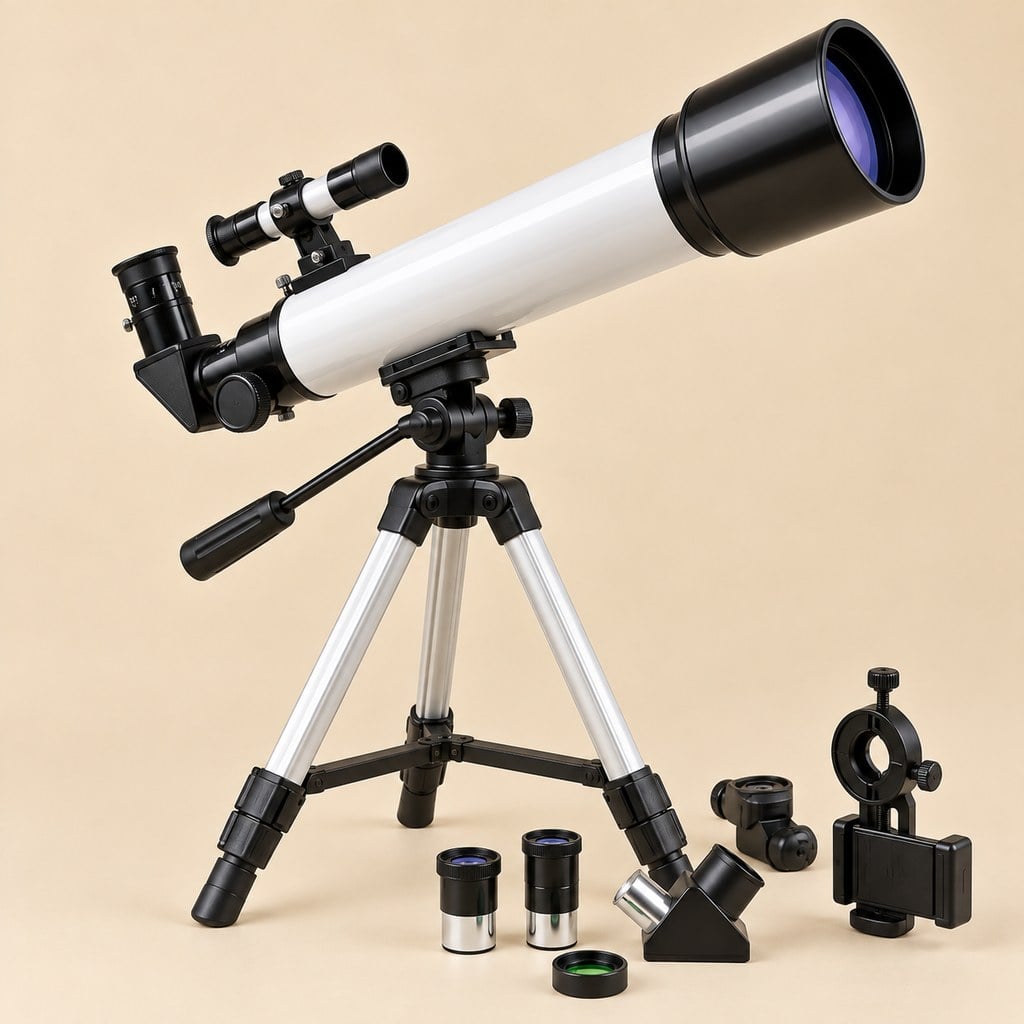
- A steady tabletop or low tripod mount.
- A low-power eyepiece for finding things, plus a higher one for the moon.
- A red dot finder that makes aiming easy.
- Simple manual controls rather than menus.
Add a star wheel or a kid-friendly sky guide, a red flashlight that keeps eyes adjusted to the dark, and a moon map they can mark up.
Mistakes to avoid
Do not buy based on huge magnification numbers printed on the box; they promise more than small optics can show. Avoid giving it in the cloudiest stretch of winter without a plan for the first clear night. And a child should never point a telescope anywhere near the sun, so a grown-up stays close for every session.
If it is not quite right
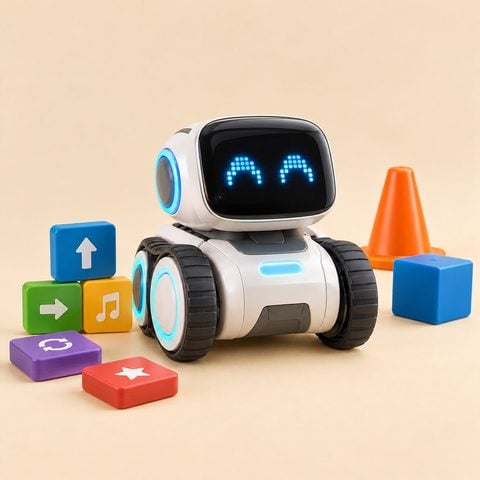
A pair of binoculars on a small tripod is easier to use and still shows the moon well. A night sky print or a trip to an observatory stargazing night builds interest first. A coding robot kit suits a kid who loves building more than looking.
Questions people ask
What age is right for a first telescope?
Many kids are ready around eight with help. Younger kids often do better with binoculars or a star projector.
Can a kid's telescope work in the city?
The moon and bright planets show up from a city yard. Faint objects need darker skies away from streetlights.