Who will love it
College students, teens who camp with friends, and anyone who likes being outside without a big production all get good use from one. It is a natural gift for a boyfriend who hikes or a son heading off to work as a camp counselor. Backyard nappers count too, if there are two trees at the right distance.
It is not a good gift for someone who dislikes tippy seating, and it is useless in places with no trees or posts unless you add a stand.
What to look for
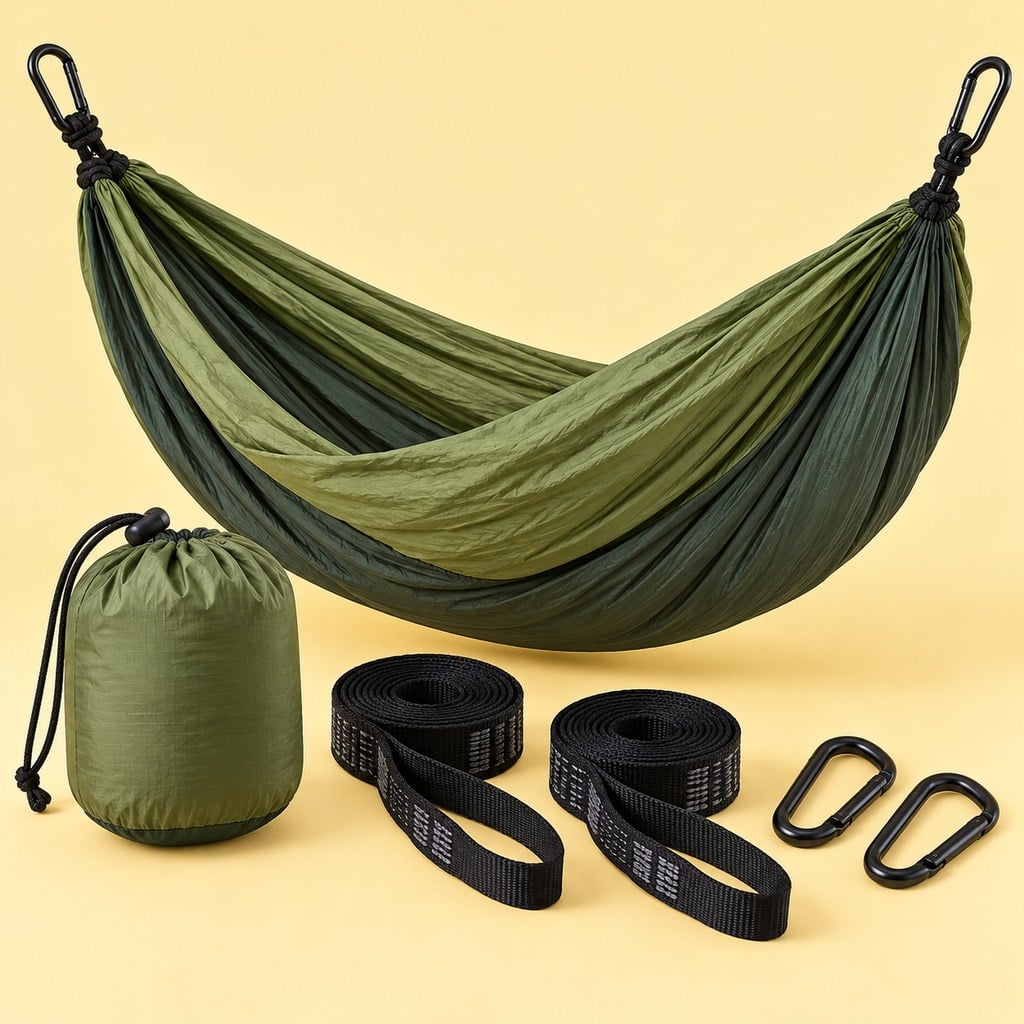
Single hammocks are lighter and fit one adult comfortably. Double hammocks are wider and feel cozier, even for one person. Check the weight capacity and the stitching at each end, where the stress sits. Breathable nylon dries fast after rain.
The straps matter as much as the hammock. Wide tree straps with several loops make setup quick and protect bark, and many parks require them. Rope alone can damage trees and is slower to adjust. Carabiners should be rated for body weight, not the decorative kind sold for keys. A bug net or a small rain tarp turns it into overnight gear, if they camp that way.
Mistakes to avoid
Do not buy one without straps, and do not buy straps that are too short, since trees spaced wide apart need reach. Avoid pouches that are not sewn to the hammock; they get lost the first weekend. Remind them to hang it low, about chair height, and to check park rules before tying to trees.
If it is not quite right
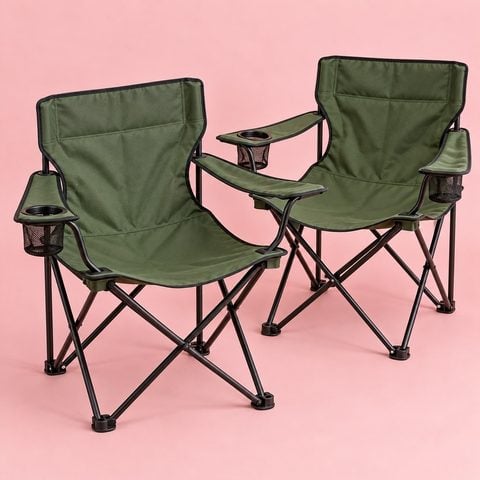
Folding camp chairs work better for people who prefer to sit upright. A compact outdoor blanket covers beach days. For a hammock fan who already owns one, a rain tarp, an insulated underquilt or a freestanding stand makes a good add-on.
Questions people ask
How far apart should trees be for a hammock?
Most camping hammocks hang well between trees a few long strides apart. Longer straps give more choice of trees.
Can a camping hammock be used indoors?
Only with a hammock stand or rated ceiling hardware. Never hang one from furniture or door frames.