Who will love it
It suits the mom who bakes for every school event, the daughter who has started making bread, a couple building a first kitchen, or a grandmother still mixing by hand. People who bake in large batches feel the difference most.
It is too much for someone who bakes a cake twice a year. And it is heavy, so for a person who struggles to lift things, a lighter hand mixer may be kinder.
What to look for
Measure the space under their upper cabinets first. Tilt-head mixers need clearance above to lift the head, while bowl-lift models are taller overall but stay put. A five quart bowl covers most home baking; bread bakers who make two loaves at a time may want larger.
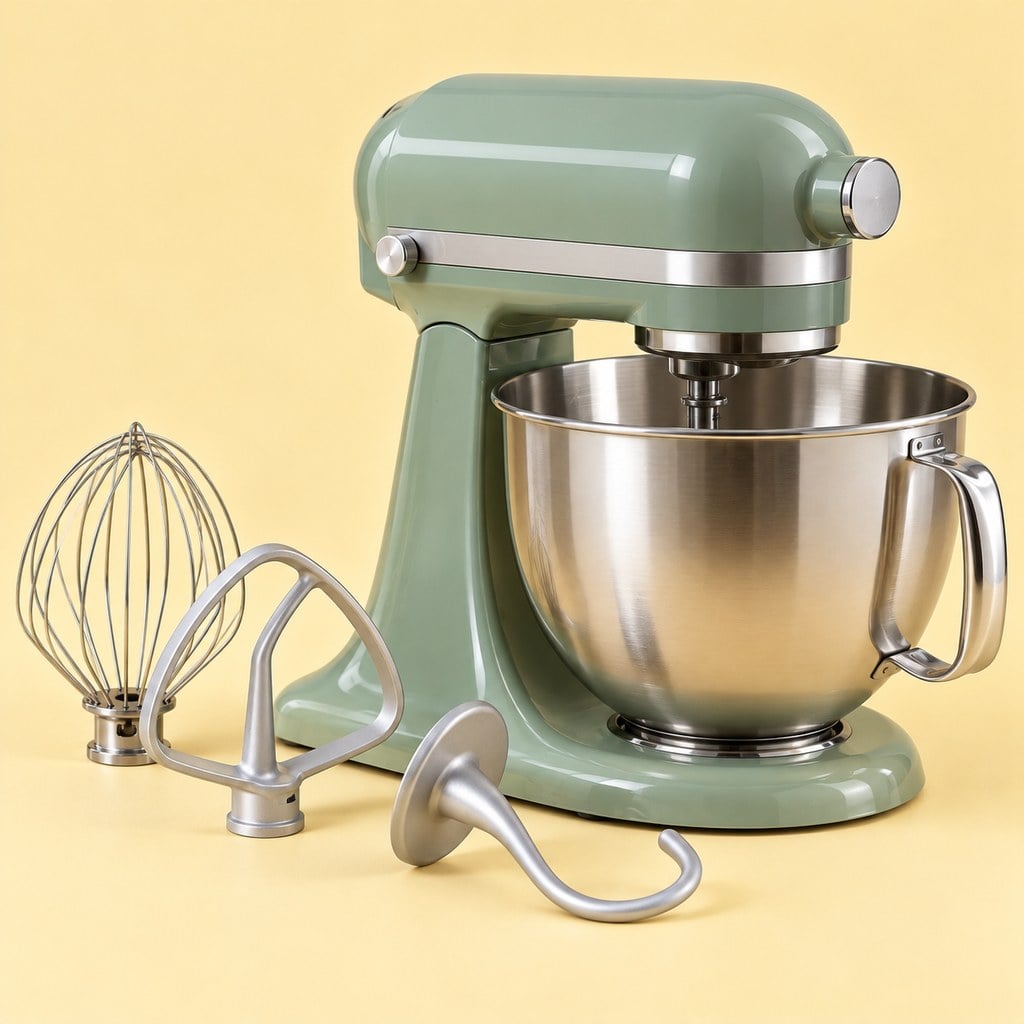
Check the attachments in the box. A flat beater, dough hook and whisk should all be included, and a pouring shield and second bowl are useful extras. Motor strength matters for dense bread dough, so read owner reviews on how it handles kneading. Pick a color they will be happy to see every day, since it lives on the counter.
Mistakes to avoid
Do not surprise someone with a mixer when they already have one tucked in a cabinet. Ask a partner quietly. Avoid light, flimsy mixers that walk across the counter with stiff dough. And check whether the attachments they want, like a pasta roller or a grinder, are sold separately.
If it is not quite right
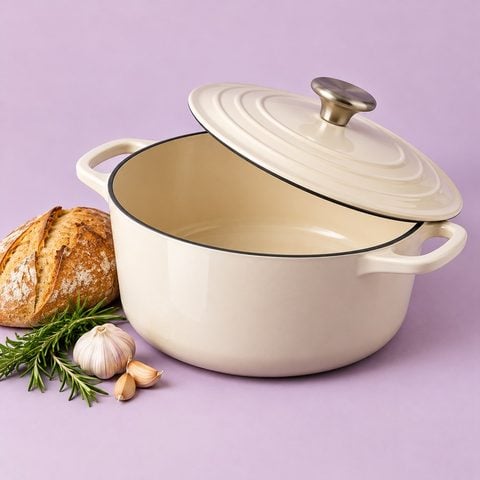
An enameled Dutch oven is another kitchen piece that lasts for decades. A kitchen scale with a thermometer helps any baker. For a smaller gift, a bread and pastry workshop is a fun day out.
Questions people ask
Is a tilt-head or bowl-lift mixer better?
Tilt-head models make it easier to add ingredients. Bowl-lift models feel sturdier with heavy dough.
What bowl size suits most bakers?
Around five quarts suits most home recipes. Big-batch bread bakers may want more.